
The Uneasy Peace of a California Homeowner
There’s a quiet comfort that comes with your own home, isn’t there? That feeling of safety, of everything you’ve worked for tucked inside those walls. But here in California, that peace can feel a little more fragile these days. Stories of break-ins, package thefts, and even car heists from driveways seem to pop up in neighborhood groups and local news almost daily. It’s enough to make you wonder: if the worst happened, would your homeowners insurance actually have your back?
Honestly, for many, the answer is a bit murky. Most people assume their policy covers “everything.” Not always. Especially when it comes to theft, there are some pretty specific rules and limits you really need to understand.
California’s Shifting Insurance Landscape and What it Means for Your Stuff
Let’s face it, getting and keeping homeowners insurance in California has become… an adventure. Insurers like State Farm and Allstate have pulled back significantly, leaving many scrambling for coverage. If you live in a brush fire-prone area like parts of Ventura County or the hills above the Valley, you know the drill. Premiums have jumped – sometimes 40% between 2022 and 2024 for some folks – and options feel thin on the ground. The FAIR Plan, meant as a last resort, has changed, too, often leaving gaps in coverage for things like water damage or, yes, theft.
This market instability makes it even more important to scrutinize your policy, not just for fire or earthquake, but for the everyday risks, like someone making off with your prized bicycle or that new laptop. When you’re paying more and potentially getting less, knowing exactly what’s covered for theft isn’t just a good idea; it’s essential.

What Your Homeowners Policy *Actually* Says About Theft
Your standard homeowners policy, often an HO-3, usually covers personal property against theft. This means your belongings – furniture, clothes, electronics – are generally protected. But here’s where it gets interesting. Most policies don’t cover everything at its full value, and some items have very strict limits.
For example, cash. You might have $500 in a drawer, but your policy probably caps cash theft coverage at a mere $100 or $200. Jewelry, watches, furs, and precious stones often have sub-limits, too, perhaps $1,000 or $2,500, even if your collection is worth far more. Firearms? Same story. Silverware, fine art, even business property kept at home can all hit these unseen ceilings.
Special Considerations for Valuables
If you own high-value items – maybe an engagement ring worth $10,000, a coin collection, or some rare baseball cards – relying on standard theft coverage is a gamble. You’ll want to “schedule” these items. This means listing them specifically on your policy with an agreed-upon value. You’ll likely need an appraisal, especially for jewelry or art. It costs a little extra, but it ensures that if that specific item is stolen, you’re paid out its full, appraised value, not just a small fraction.
Which brings up something most people miss. When you make a claim, how does the insurer pay you? Most standard policies are “Actual Cash Value” for personal property. That means they pay you the replacement cost *minus depreciation*. That five-year-old TV stolen from your living room? You’ll get what a five-year-old TV is worth today, not what a brand-new one costs. If you want “Replacement Cost Value” – meaning they’ll pay you enough to buy a brand-new comparable item – you usually have to specifically add that to your policy. It’s a big difference when you’re trying to replace everything you lost.
Beyond the Policy: Proactive Theft Protection
Knowing what your policy covers is one thing. Preventing the theft in the first place? That’s entirely different. And honestly, it’s where you have the most control.
Fortifying Your Home’s Defenses
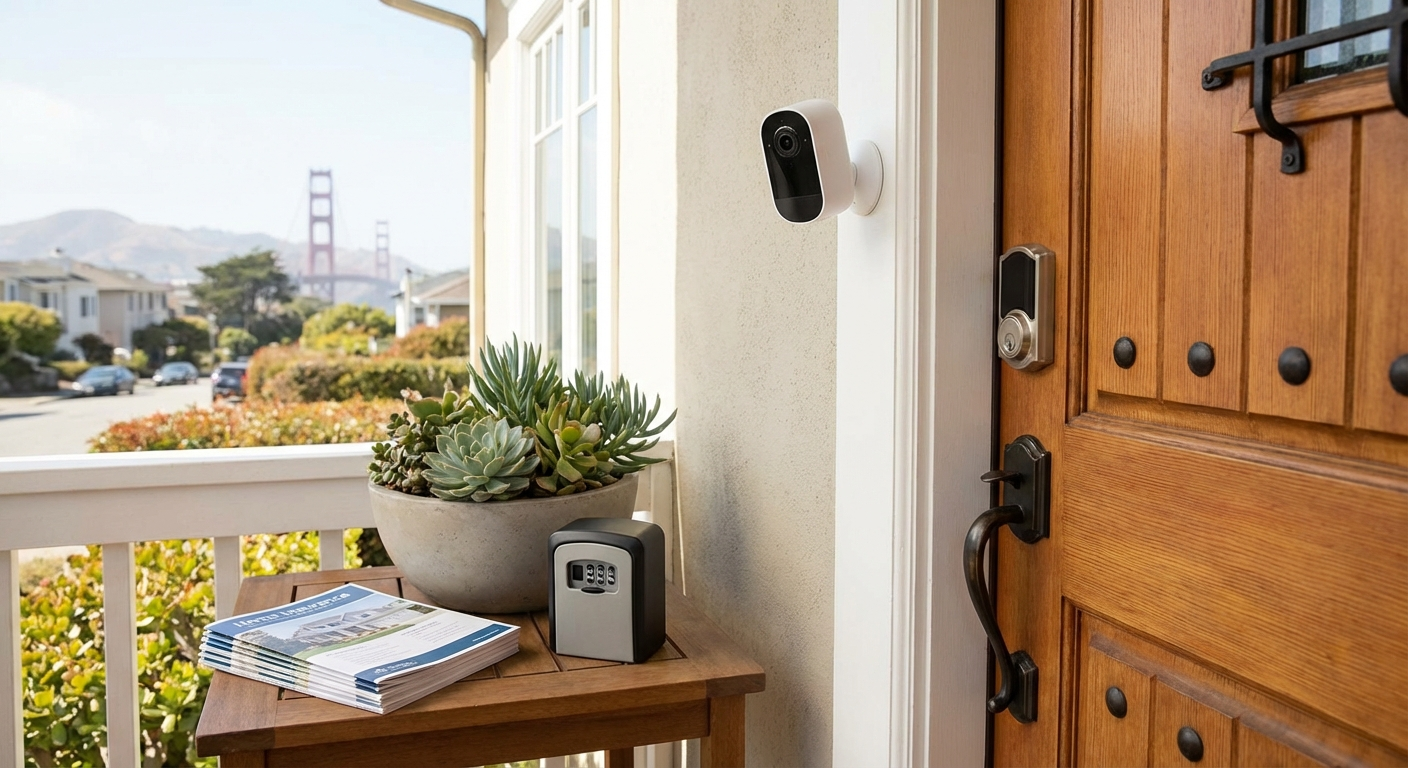
Think about it. Most burglars are looking for an easy target. Make your home less appealing. Strong locks on all doors and windows are a must. Deadbolts are your best friend. A good alarm system, connected to a monitoring service, can be a major deterrent. These days, smart home security cameras – like Ring or Arlo – offer an affordable way to keep an eye on things, getting alerts right to your phone. Even better, some insurers actually offer discounts for these kinds of security measures. It’s a win-win.
Don’t forget the basics. Good exterior lighting, especially motion-sensor lights, can scare off potential intruders. Keep your landscaping trimmed; overgrown bushes provide great hiding spots. And if you’re going away, ask a neighbor to keep an eye on things, collect mail, and perhaps park a car in your driveway to make it look occupied.
The Digital Fortress – Protecting Your Data (and Identity)
Sometimes, a theft isn’t just about physical items. If a laptop, smartphone, or even documents are stolen, you’re not just out the hardware. Your personal data, your identity, could be compromised. This is a growing concern. Some homeowners policies now offer identity theft protection as an add-on or even a standard feature. It’s worth asking about. It won’t stop the physical theft, but it can help pick up the pieces if your identity is compromised.
When the Worst Happens: Making a Theft Claim
Nobody wants to imagine their home violated. But if a theft occurs, knowing what to do next can save you a lot of headache and heartache.
First, call the police immediately. You’ll need a police report for your insurance claim, and you’ll want them to investigate. Don’t touch anything until they’ve had a chance to look around. Once they’re done, secure your home – board up broken windows, change locks if keys were stolen.
Then, start documenting everything. Take photos and videos of the damage and what’s missing. Create a detailed list of stolen items, including descriptions, serial numbers, and estimated values. If you have receipts or photos of the items, even better. This inventory is incredibly helpful when you file your claim.
Finally, contact your insurance agent. This is where a good agent, like Karl Susman at California Home Insurance Rates (CA License #OB75129), truly shines. They’ll walk you through the claims process, help you understand what information you need, and act as your advocate with the insurance company. It’s never fun, but being prepared makes a world of difference.
Why a Local Expert Matters – Especially in California
Navigating California’s insurance market is like trying to drive the 405 at rush hour – it’s complicated, frustrating, and you often feel like you’re going nowhere fast. This is why working with an independent agent, someone who understands the local landscape, is so important. They aren’t tied to one company. They can shop around for you, comparing policies from Farmers, AAA, and smaller regional carriers to find the best fit for your specific needs – and your specific theft risks.
An agent like Karl Susman knows about Prop 103 and how it affects premiums, they understand the nuances of the FAIR Plan, and they get how regional crime trends – whether it’s package theft in the Inland Empire or car break-ins in certain parts of Los Angeles – might influence your coverage needs. They’re not just selling you a policy; they’re offering personalized advice.
If you’re feeling a bit lost in all this, that’s perfectly normal. Getting sound advice from someone who lives and breathes California insurance can make all the difference. Why not chat with Karl Susman and his team? You can easily get a quote and explore your options right here: Get Your California Home Insurance Quote Today!
Understanding what you’re truly covered for, and taking smart steps to protect your home, isn’t just about peace of mind; it’s about smart financial planning in a state that keeps us on our toes. Don’t leave your biggest asset to chance. Reach out to Karl and his team for personalized guidance. Start by getting a quote: Protect Your Home – Get a Quote Now!
Frequently Asked Questions About Homeowners Insurance and Theft in California
Q: Does my homeowners policy cover theft if I’m away on vacation?
A: Yes, generally, your homeowners policy covers theft of personal property whether you’re home or away. However, some policies might have specific exclusions or requirements, like needing to inform them if your home will be vacant for an extended period (usually 30-60 days). Always check your specific policy details.
Q: What if my car is stolen from my driveway? Is that covered by homeowners insurance?
A: No, the theft of your car itself is typically covered by your *auto insurance* policy, specifically under comprehensive coverage. However, personal items *inside* your stolen car (like a laptop or golf clubs) might be covered by your homeowners policy, subject to your deductible and any sub-limits for specific items.
Q: Will my rates go up if I file a theft claim?
A: Filing any claim can potentially affect your future premiums. Insurers look at your claims history when renewing your policy. A single theft claim might not drastically increase your rates, but multiple claims over a short period definitely could. This is why it’s always a good idea to weigh the cost of the loss against your deductible and the potential impact on your rates.
Q: Do I need a police report to file a theft claim?
A: Absolutely. An insurance company will almost always require a police report for any theft claim. This report serves as official documentation of the incident and helps validate your claim.
Q: What’s the difference between Actual Cash Value (ACV) and Replacement Cost Value (RCV) for stolen items?
A: This is a big one. ACV pays you the cost to replace the item *minus depreciation* (what it was worth at the time of the theft). RCV pays you the cost to replace the item with a brand-new, similar one, without deducting for depreciation. Most basic policies default to ACV for personal property, but you can usually add RCV coverage for an extra premium. It’s almost always worth it.
This article is for informational purposes only and does not constitute financial advice.