
Protecting Your California Home from Theft: More Than Just a Lock
For anyone who owns a home here in California, the thought of someone breaking in, rummaging through your most personal spaces, and taking what you’ve worked so hard for? It’s a gut punch. Not just the financial loss, but that feeling of violated privacy. It’s a real concern, whether you’re in the sprawling suburbs of the Inland Empire, a quiet street in Ventura County, or tucked away in a Los Angeles canyon. So many of us wonder: Does my homeowners insurance really cover me if the unthinkable happens? And what can I do to stop it from happening in the first place?
Honestly, it’s a question Karl Susman at California Home Insurance Rates hears all the time. CA License #0B75129. We all want to feel safe in our own homes, especially with the world feeling a little less predictable these days.
The California Theft Landscape: Why We’re Thinking About This
You see stories on the news almost every night, don’t you? Package thefts off porches, smash-and-grabs, even brazen home invasions. While overall property crime rates can fluctuate, the perception of risk in California, particularly around theft, feels pretty high for a lot of folks. Maybe it’s the rise of social media showing off our lives and possessions, or just the sheer density of some of our urban areas.
But here’s the thing. It’s not just about the big, dramatic incidents. Sometimes it’s the quiet, opportunistic thief. Maybe you left a window open a crack on a warm Valley afternoon, or you’re away on vacation and didn’t make it look like someone was home. Those small moments create opportunities. And when it happens, you want to know your insurance has your back.
What Homeowners Insurance Actually Does for Theft
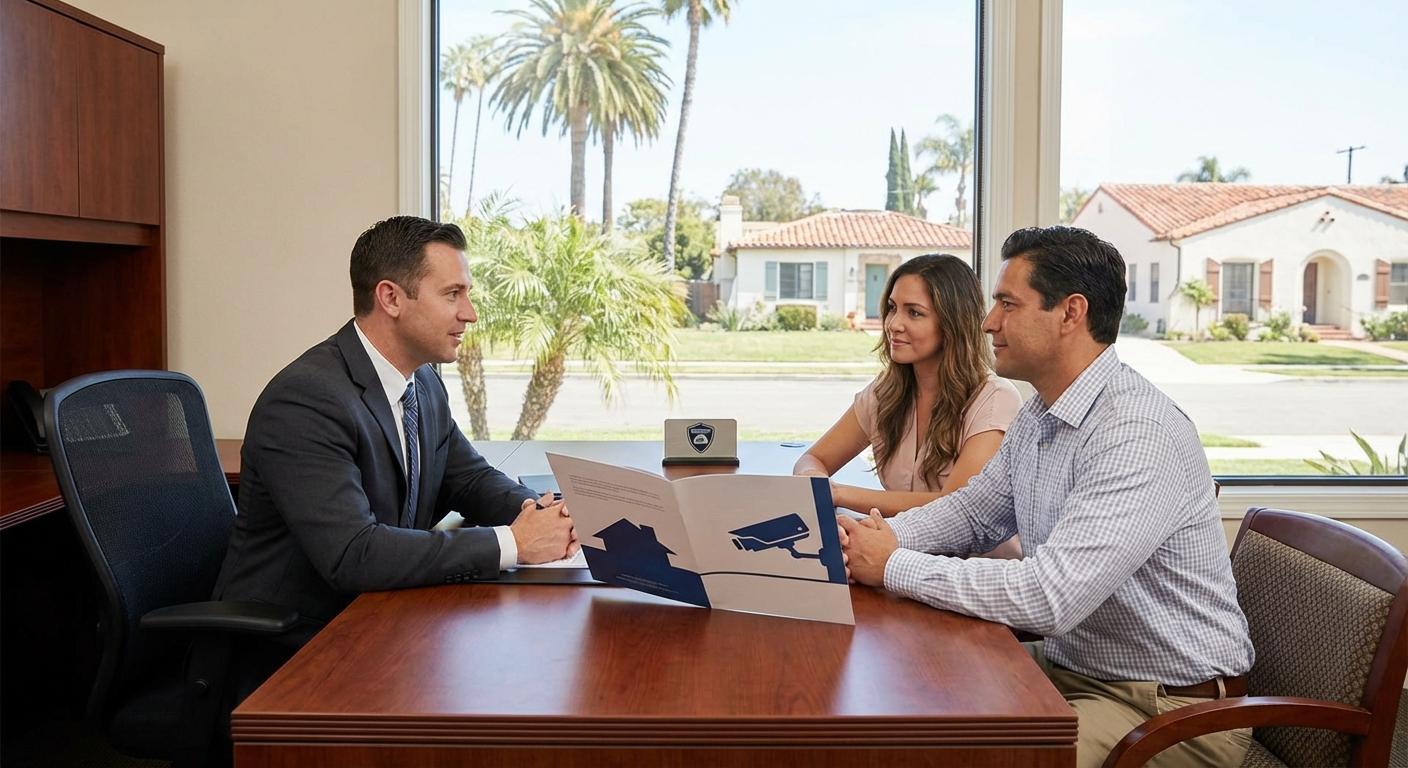
The short answer is yes, your standard homeowners policy usually covers theft. The real answer is more complicated. Most policies have a section called “Coverage C – Personal Property.” This is where your stuff — furniture, electronics, clothing, jewelry, tools, you name it — gets protected. If someone breaks into your home and steals these items, your policy is designed to help you replace them.
But wait — there are limits. Every policy has them. For instance, there’s usually a total limit for all your personal property, often 50% to 70% of your dwelling coverage. So, if your house is insured for $500,000, your personal property might be covered up to $250,000 or $350,000. That sounds like a lot, right?
Which brings up something most people miss. There are often *special limits* for certain categories of items. Think about jewelry, watches, furs, cash, firearms, or even expensive collectibles like rare baseball cards or a vintage guitar. Your policy might only cover $1,500 for all your jewelry, even if your engagement ring alone is worth $10,000. For cash, it’s usually just a couple hundred bucks. That’s a big difference.
Protecting Your Prized Possessions: Beyond the Basic Policy
If you own high-value items that exceed those special limits, you’re not out of luck. You’ll want to talk to your agent about adding a “scheduled personal property endorsement” — sometimes called a rider or floater. This lists specific items and insures them for their appraised value. It’s a separate line item on your policy, and it provides much broader coverage, often without a deductible, and for risks like accidental loss (dropping your diamond ring down the drain!) that standard policies won’t touch.
This is where a good agent like Karl Susman becomes invaluable. They can walk you through what you own, what its value might be, and whether it needs separate protection. You’d be surprised how quickly the value of sentimental items or collections can add up.
Deterring Thieves: Your First Line of Defense
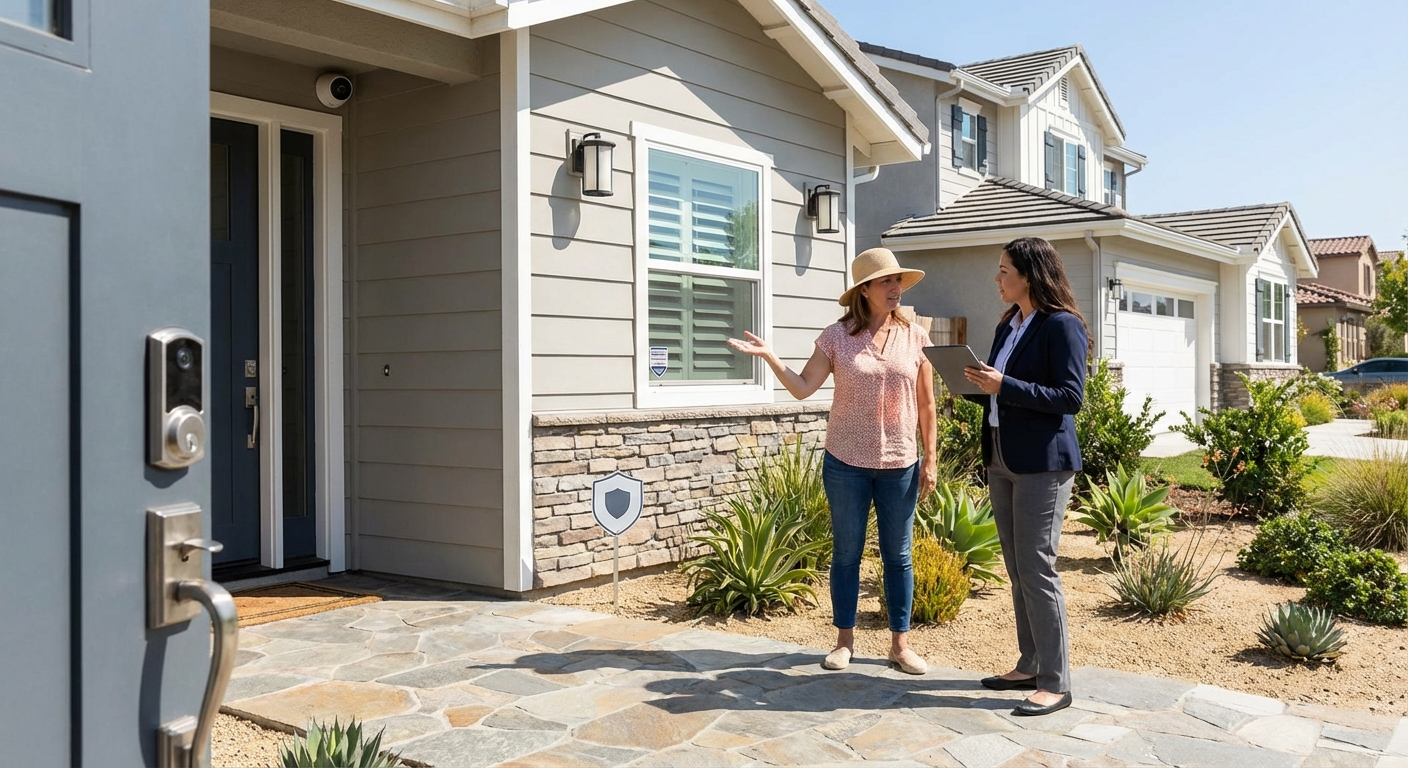
Of course, insurance is there for when things go wrong. But wouldn’t you rather prevent the wrong thing from happening at all? Most homeowners agree. You don’t want to go through the hassle of a claim, the emotional distress, or the feeling of vulnerability. So, what can you do to make your home less appealing to a thief?
Simple, Smart Physical Security
* **Locks:** This sounds obvious, but seriously, good quality deadbolts on all exterior doors. Make sure sliding glass doors have secondary locks or security bars. Don’t forget window locks. A surprising number of break-ins happen through unlocked doors or windows.
* **Lighting:** Well-lit exteriors are a huge deterrent. Motion-sensor lights are a game-changer. Imagine a thief approaching your house under the cover of darkness, only for a bright floodlight to suddenly snap on. Most will move on.
* **Landscaping:** Keep shrubs and trees trimmed, especially near windows and doors. Overgrown bushes provide perfect hiding spots. Think about thorny plants under windows as an added layer of defense.
* **Fences and Gates:** A sturdy fence can make a big difference, especially if you have a dog. Just remember to keep gates locked.
The Tech Advantage: Smart Home Security
In this day and age, technology offers some fantastic options.
* **Alarm Systems:** From basic entry sensors to full-blown monitored systems, an alarm system is a powerful deterrent. Many insurers even offer discounts for homes with monitored alarms.
* **Security Cameras:** Ring, Arlo, Nest, SimpliSafe — there are so many options. Cameras, especially doorbell cameras, can capture evidence and often deter criminals just by their presence. You can monitor your home from your phone, even when you’re soaking up the sun in Palm Springs.
* **Smart Home Automation:** Timers for lights, smart plugs for TVs or radios, even automated blinds. Making your home look occupied when you’re away is incredibly effective. A seemingly random pattern of lights turning on and off makes a house look lived in.
Community and Awareness
* **Neighborhood Watch:** Getting involved with your neighbors can create a powerful network. Eyes and ears in the community make it tougher for criminals to operate unnoticed.
* **Social Media Smarts:** We love sharing our vacations, don’t we? But posting “I’m on a two-week cruise to Alaska!” with an empty house behind you is essentially an open invitation to thieves. Be mindful of what you share publicly.
Inventorying Your Stuff: A Must-Do
This isn’t really a theft *prevention* tip, but it’s absolutely essential for a smooth claim process. Imagine trying to list every single item stolen from your home after a break-in. It’s incredibly stressful and easy to forget things.
My advice? Make a home inventory. Take photos or videos of every room. Open closets, drawers, and cabinets. Keep receipts for big-ticket items. Store this list somewhere safe, like cloud storage, not just on a computer inside your house. If something happens, this inventory will be your best friend when filing a claim. It speeds things up and helps ensure you get reimbursed for everything you lost.
The California Insurance Maze and Your Rates
We all know the California insurance market has been a bit wild lately. Wildfires have caused some major insurers, like State Farm and Farmers, to pull back or stop writing new policies in certain areas. This means homeowners might find fewer choices or higher premiums. Prop 103, while designed to protect consumers, also adds layers of regulation that can make things tricky.
Does adding security measures affect your rates? Sometimes. Insurers appreciate homeowners who take proactive steps to protect their property. A monitored alarm system, for example, often qualifies for a discount. Some companies might offer a small break for deadbolts or smoke detectors. It’s usually not a massive discount, but every little bit helps, especially when premiums for homeowners insurance have jumped significantly in some parts of the state. It’s another good question to ask your agent when you’re reviewing your policy.
If you’re feeling overwhelmed by the choices or the current market, that’s exactly why an independent agent is so valuable. We work with multiple carriers, not just one. We can shop around and find you the best coverage for your specific needs, even in this challenging environment. You don’t have to tackle this alone.
What to Do If the Worst Happens
Let’s say, despite all your best efforts, your home is burglarized. What then?
1. **Call the Police Immediately:** This is your first step. You’ll need a police report for your insurance claim.
2. **Don’t Touch Anything:** As hard as it is, try not to disturb the scene. This helps preserve evidence for the police.
3. **Contact Your Insurance Agent:** As soon as possible, reach out to your agent. They’ll guide you through the claims process, explain what information you need, and help you get started. This is when your home inventory becomes incredibly useful.
It’s a tough situation, but having the right insurance and a good agent in your corner makes a world of difference.
If you’re a California homeowner and you’re wondering if your current policy truly protects you from theft, or if you want to explore options to secure your home and potentially lower your premiums, don’t hesitate. You can get started with a quick, no-obligation quote today. Visit us at https://susmaninsurance.com/get-a-quote/. We’re here to help you get the peace of mind you deserve.
Frequently Asked Questions About Homeowners Insurance and Theft Protection
Does my homeowners insurance cover items stolen from my car?
Generally, your homeowners insurance *can* cover personal items stolen from your car, but it’s secondary to your auto insurance. Your auto insurance would typically cover damage to the car itself (broken window, etc.), but your homeowners policy’s personal property coverage would kick in for the stolen items, subject to your deductible and policy limits. It’s always best to check with your agent, as rules can vary.
What if I have roommates? Does my homeowners policy cover their stolen items?
Typically, a standard homeowners policy covers the personal property of the named insured and family members living in the household. It usually does *not* extend to non-family roommates. Roommates would generally need their own renters insurance policy to protect their belongings from theft or other perils.
Can I get a discount on my homeowners insurance for having a security system?
Yes, many insurance carriers offer discounts for homes equipped with security features, especially monitored alarm systems. The amount of the discount can vary by insurer and the type of system. Motion-sensor lights, deadbolts, and even smoke detectors can sometimes qualify for small discounts as well. It’s definitely worth asking your agent about when you’re discussing your policy.
Is there a difference in theft coverage if I’m away on vacation versus if my home is vacant for an extended period?
Absolutely, there’s a big difference. Your standard homeowners policy covers theft while you’re away on vacation. However, if your home is vacant for an extended period – often 30 or 60 days, depending on your policy – coverage for certain perils, including theft, might be reduced or excluded entirely. If you plan to leave your home vacant for a long time, you’ll need to inform your insurer and likely get a specific “vacant home” endorsement to maintain coverage.
Ready to protect your California home and everything inside it? Connect with Karl Susman and the team at California Home Insurance Rates, CA License #0B75129. We’re ready to answer your questions and help you find the right coverage. Get a personalized quote for your homeowners insurance at https://susmaninsurance.com/get-a-quote/ or call us at (877) 411-5200.
This article is for informational purposes only and does not constitute financial advice.