
- How California home insurance premiums are changing.
- Common discount programs most insurers offer.
- Specific ways to save money based on your home’s features and location.
- The importance of reviewing your policy regularly.
- Why working with an independent insurance agent can make a big difference.
Understanding California’s Home Insurance Reality
Homeowners in California are feeling the squeeze. Premiums for home insurance have jumped, sometimes by as much as 30% or 40% in just a couple of years, especially in places like the Sierra Nevada foothills or parts of Ventura County where wildfire risk is a constant threat. It’s a tough situation, with some big-name insurers even pulling back from the state or limiting new policies. You’re probably wondering if there’s any way to get a break.
The short answer is yes. The real answer is more complicated. Getting a good deal on home insurance in California today isn’t about finding a magic bullet; it’s about being smart, proactive, and knowing exactly what discounts are out there and how to get them. Most people just pay their bill without really digging into it. That’s often leaving hundreds, sometimes thousands, of dollars on the table each year.
Step 1: Get to Know Your Current Policy Inside and Out
Before you even think about discounts, you need to understand what you’re currently paying for. Grab your latest policy declaration page. It’s usually a few pages long, detailing your coverage limits, your deductible, and yes, any discounts you might already be getting. Many folks just glance at the premium amount. Don’t do that.
Look closely at your dwelling coverage — that’s the cost to rebuild your home. Is it accurate for today’s construction costs in your area, say, the Inland Empire or San Diego? What about personal property coverage? Do you have enough for all your belongings? Also, check your liability limits. A good policy protects you if someone gets hurt on your property. Knowing these numbers is your baseline. Without it, you can’t tell if a “discount” is actually a good deal or just a lower price for less coverage.

Step 2: Explore the Most Common Discount Programs
Insurers don’t exactly advertise these in flashing neon lights, but almost every carrier — from State Farm to AAA to Farmers — offers a range of discounts. Your job is to ask about them. Here’s a breakdown of where to start looking:
Home Safety and Protection Discounts
These are often the easiest to qualify for and can make a real dent in your premium. Insurers love a safe home because it means fewer claims. Common examples include:
- Burglar Alarm Systems: If you have a monitored alarm system, you’re likely eligible. This isn’t just a motion sensor; it needs to be connected to a central station that alerts authorities.
- Fire Protection: Smoke detectors in every bedroom? Carbon monoxide detectors? Fire extinguishers readily available? Believe it or not, these basic safety measures can earn you a discount. Some insurers even offer breaks for full sprinkler systems, though those are less common in older homes.
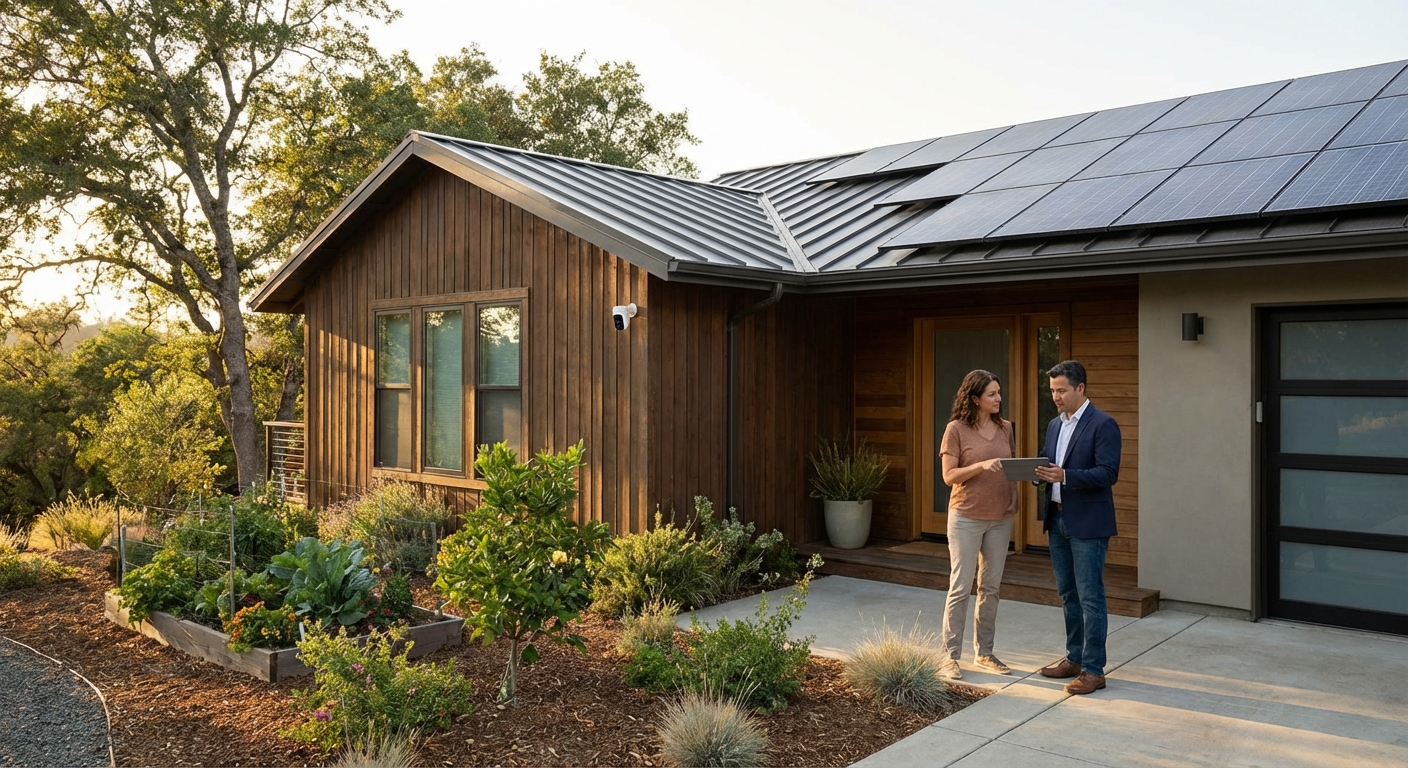
- Smart Home Technology: Think about smart water leak detectors, smart doorbells with cameras, or even smart thermostats that can detect unusual activity. These devices can prevent small issues from becoming big claims, and some carriers will reward you for them.
Policy Bundling Discounts
This is probably the most well-known way to save. If you have your auto insurance with one company and your home insurance with another, you’re almost certainly missing out. Insurers want all your business. They’ll often give you a significant discount — sometimes 10% to 20% on both policies — if you bundle them together. You might even consider bundling an umbrella policy, which adds an extra layer of liability protection over your home and auto, for even more savings.
Here’s where it gets interesting. Don’t just assume your current auto insurer will give you the best home rate, or vice versa. Sometimes, moving both policies to a new carrier can unlock bigger savings than just bundling with your existing one. Always compare.
Customer Loyalty and Longevity Discounts
Have you been with the same insurer for years? They might offer a discount for that. It’s their way of saying thanks for sticking around. But wait — sometimes being too loyal can actually cost you. Insurers often offer their best rates to new customers. So, while a loyalty discount is nice, it doesn’t mean you shouldn’t shop around every few years. That’s just smart money management.
Loss Mitigation and Preparedness Discounts
This category is especially important for California homeowners, given our unique challenges like earthquakes and wildfires. These discounts reward you for taking steps to reduce the risk of a major claim.
- Wildfire Hardening: If you live in a high-risk fire area — think parts of Marin County, the hills of Los Angeles, or really anywhere near brush — taking steps to make your home more resistant to embers can earn you a discount. This might include having a Class A fire-rated roof, defensible space around your property, or ember-resistant vents. Some insurers, especially those working with the California FAIR Plan, are starting to recognize these efforts more and more.
- Earthquake Retrofitting: For homes built before 1980, especially those on a raised foundation, retrofitting can significantly reduce earthquake damage. Bolting your house to its foundation or bracing cripple walls makes it more stable. While earthquake insurance is usually a separate policy, some home insurers might offer a small discount or make you more eligible for coverage if your home is retrofitted.
- Water Shut-off Systems: Automatic water shut-off valves can prevent catastrophic water damage from burst pipes. These are becoming more popular and are definitely worth asking about.
Payment and Deductible Choices
Sometimes, simple administrative choices can save you money.
- Paying Annually: Many insurers offer a small discount if you pay your premium in one lump sum for the year, rather than monthly installments. It saves them administrative costs, and they pass some of those savings on to you.
- Higher Deductibles: This is a classic trade-off. If you choose a higher deductible — say, $2,500 instead of $1,000 — your premium will go down. But remember, you’ll pay more out-of-pocket if you do have a claim. It’s a balance between saving money now and being prepared for a future expense.
Step 3: How to Actually Get These Discounts
You’ve reviewed your policy. You’ve identified potential discounts. Now what? You ask. It sounds simple, but many people don’t. Call your insurance agent or carrier directly. Tell them you’re reviewing your policy and want to make sure you’re getting every discount you qualify for.
Be prepared to provide proof for certain discounts. For a monitored alarm, you might need your contract with the alarm company. For wildfire hardening, photos or a certificate from a qualified inspector might be necessary. Don’t be shy; this is your money we’re talking about.
Step 4: Don’t Be Afraid to Shop Around
This is probably the single most effective way to ensure you’re getting the best rate. Even if you’ve been with the same company for years and feel loyal, their rates might have crept up, or a competitor might simply be a better fit for your specific home and risk profile today. Insurers change their pricing models constantly.
You should aim to get new quotes every two to three years, or whenever your circumstances change — maybe you’ve done a major renovation, or your kids have moved out. Getting multiple quotes helps you compare not just the price, but also the coverage. Sometimes, a slightly higher premium from one company comes with significantly better coverage or a lower deductible, which could be a better value in the long run.
Step 5: Work With an Independent Insurance Agent
Honestly, trying to figure all this out on your own can be a headache. Calling individual carriers, comparing policies, understanding the jargon — it’s a lot. This is where an independent insurance agent becomes invaluable, especially in a complex market like California.
An independent agent, like Karl Susman of California Home Insurance Rates, doesn’t work for just one insurance company. They work for you. They have access to multiple carriers and can shop your policy around to find the best combination of coverage and price. They know the ins and outs of California’s insurance market, which insurers are writing policies in your area (whether it’s Sacramento or Santa Barbara), and exactly which discounts you’re most likely to qualify for.
They can help you understand the nuances of things like Prop 103 and how it impacts rates, or changes to the FAIR Plan. They’re your advocate. You’ll get expert advice without the extra cost, because agents are paid by the insurance companies.
Ready to see what discounts you qualify for and compare rates? Get a free home insurance quote today!
Frequently Asked Questions About California Home Insurance Discounts
Q: Do all insurance companies offer the same discounts?
A: Not at all. While many common discounts — like bundling or multi-policy — are widespread, the specific percentages and unique offerings vary greatly between insurers. One company might give a bigger break for smart home tech, while another focuses more on wildfire mitigation efforts. That’s why shopping around is so important.
Q: Can I get a discount if I’ve never filed a claim?
A: Yes, many insurers offer a “claims-free” discount. If you’ve maintained continuous home insurance coverage for a certain period (often 3-5 years) without filing a claim, you might qualify. It’s a reward for being a lower-risk policyholder.
Q: How often should I check for new discounts?
A: A good rule of thumb is to review your policy and ask about discounts annually, especially at renewal time. You should also check if you make any significant improvements to your home, like installing a new roof, upgrading electrical systems, or adding security features. These changes can often unlock new savings.
Q: Is it true that some areas in California are harder to get discounts for due to high risk?
A: Unfortunately, yes. In areas with extremely high wildfire risk, for example, some traditional discounts might be harder to come by or might not offset the higher base premium as much. However, discounts related to wildfire hardening (like defensible space or fire-resistant building materials) become even more important and can still make a difference in these regions.
Q: What’s the easiest discount to get?
A: For most people, the easiest and often most impactful discount is the multi-policy or bundling discount. If you have your auto insurance with one company and your home insurance with another, simply getting quotes to combine them can lead to significant savings with minimal effort. Basic safety features like smoke detectors are also easy wins.
Don’t let rising premiums get you down. There are ways to save, and having an expert in your corner makes all the difference. For personalized advice and to explore your options, reach out to Karl Susman at California Home Insurance Rates. You can call his team at (877) 411-5200, or visit us online to get started with a free quote. Karl Susman is licensed in California under CA License #OB75129.
This article is for informational purposes only and does not constitute financial advice.