
When Your California Home Sits Empty: Understanding Vacancy Clauses
Picture Sarah and Tom. They’d spent thirty years raising their kids in their charming Craftsman in Pasadena, watched jacaranda trees bloom every spring. But then Tom’s mom needed them back east, and quickly. So they packed up, said goodbye to their bougainvillea, and left their beloved home with plans to sell it from afar. They figured their existing home insurance would keep it safe until the right buyer came along.
That’s what most people assume, isn’t it? You pay your premium, your house is covered. The short answer is yes. The real answer is more complicated, especially when that house sits empty for more than a few weeks. Because in the world of California home insurance, an empty house changes everything. And it changes it in ways that can leave you financially exposed if you’re not careful.
What we’re talking about here are vacancy clauses. They’re those quiet little paragraphs buried deep in your policy documents, the ones most folks skim right past. But these clauses can turn your world upside down if a claim happens while your home is unoccupied. Insurers don’t like empty houses. They really don’t.
Why an Empty Home Spooks Insurers
Think about it from an insurance company’s perspective. A home with people living in it has eyes and ears. Lights go on and off. Mail gets picked up. Neighbors see activity. If a pipe bursts, someone’s there to hear it, to see the water spreading, to call for help. If a fire starts, someone might call 911 within minutes.
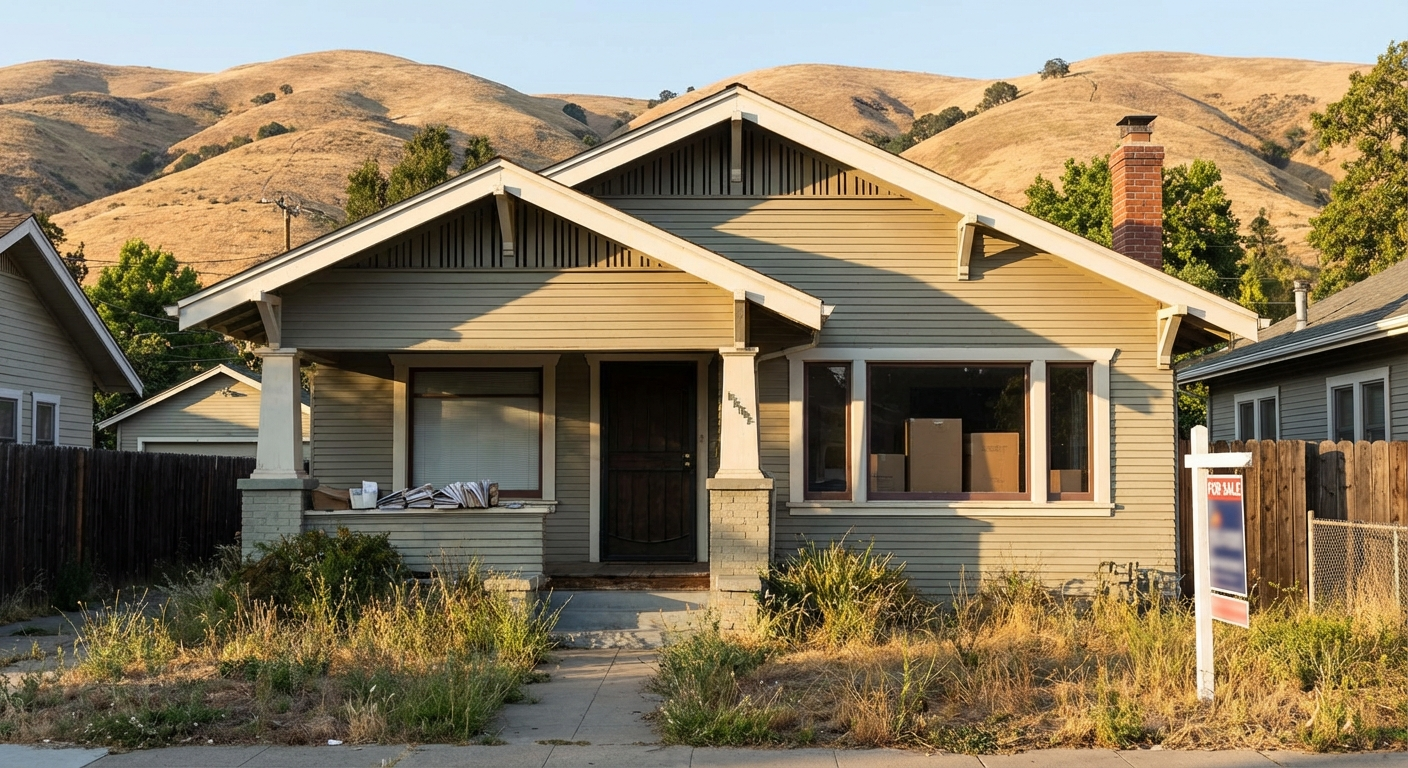
An empty home? It’s a different story. Nobody’s home to notice the slow leak under the sink. A broken window from a stray baseball might go unrepaired for weeks, inviting pests or worse. Vandalism becomes a bigger threat. Burglars love an empty house; it’s an easy target. What if a small electrical fire sparks? It could smolder for hours, maybe even days, before anyone smells smoke or sees flames from the street. By then, the damage is catastrophic.
This isn’t just theory. Statistics show that vacant properties face a much higher risk of certain types of losses—especially vandalism, theft, and undetected damage from things like burst pipes or appliance malfunctions. Those risks translate directly to higher potential payouts for insurers. So, they write specific language into policies to manage that extra risk.

What “Vacant” Really Means to Your Policy
Here’s where it gets interesting. Many people confuse “vacant” with “unoccupied.” There’s a big difference. An unoccupied home might mean you’re on a three-week vacation to Europe, but your furniture is still there, your utilities are on, and you plan to return. The insurer generally doesn’t have a problem with that.
A vacant home, though, usually means it lacks the “personal property necessary to sustain ordinary living.” In plain English, it’s mostly empty. No beds, no couch, no kitchenware. Often, utilities might even be shut off. Most standard homeowner policies define a home as vacant if it’s been empty for a specific period, usually 30 or 60 consecutive days. This timeframe is critical. If Sarah and Tom’s Pasadena home sits empty for 61 days and then a pipe bursts, their standard policy might offer zero help.
That’s not the whole story. Some policies might also consider a home vacant if you’ve moved out and removed most of your belongings, even if it’s been less than 30 days. It all comes down to the precise wording in your individual policy document. And believe me, those words matter.
Common Scenarios for Vacancy
California homeowners find themselves in this predicament for all sorts of reasons. Maybe you’re selling your home in Ventura County and have already moved into your new place in the Inland Empire. That old house might sit empty for months waiting for escrow to close. Or perhaps you’ve inherited a property, like a charming little bungalow in Orange County, and you’re taking your time to sort through belongings before you sell it or rent it out. Maybe you’re a snowbird who spends six months out of the year in Palm Springs and the other six in Idaho—though that often falls under “unoccupied” if your belongings remain. Then there’s the major renovation project that requires you to vacate entirely for an extended period.
Each situation presents unique challenges. For Sarah and Tom, moving cross-country meant their Pasadena home would be empty for an unknown stretch. They assumed their policy, which had always covered them, would continue to do so. They were wrong.
The Harsh Reality: Denied Claims and Cancelled Policies
So, what happens if you don’t tell your insurance company your home is vacant and something goes wrong? The consequences can be severe. Your insurer could deny your claim entirely. Imagine that burst pipe in the empty Pasadena house, ruining hardwood floors and drywall. Sarah and Tom file a claim, expecting relief. But the adjuster investigates, notes the vacant status, and points to the vacancy clause. Claim denied. All those repair costs come directly out of their pocket.
But wait—it gets worse. In some cases, if the insurer discovers the home has been vacant for longer than the policy allows, they might even cancel your policy retroactively. This means it’s as if you never had coverage for that period. You could be on the hook for any damage, and then you’ll struggle to find new coverage. It’s a truly awful situation to be in.
What to Do When Your Home Will Be Empty
The simplest and most important step is communication. As soon as you know your home will be vacant for an extended period—say, more than 30 days—call your insurance agent. Don’t wait. Don’t guess. Just make the call. An experienced agent, someone like Karl Susman at California Home Insurance Rates, can walk you through your options.
Vacancy Endorsements and Specialty Policies
Often, your current insurer might offer a “vacancy endorsement.” This is an add-on to your existing policy that specifically covers the risks associated with a vacant home. It usually comes with an extra premium, because, well, higher risk. The coverage might also be more limited than your standard homeowner policy—for instance, it might exclude certain types of damage like vandalism, or have higher deductibles.
If your current insurer won’t offer an endorsement, or if the vacancy is expected to be very long-term, you might need a specialty vacant home insurance policy. These are designed specifically for empty properties and are typically more expensive than standard homeowner policies. They can be purchased for fixed terms, like three, six, or twelve months. This is often the route Sarah and Tom should have considered for their Pasadena home.
Mitigating Risks and Staying Covered
Even with special coverage, you should take steps to reduce risk:
- Regular Inspections: Have someone trustworthy check the property frequently—weekly is ideal. This person can pick up mail, check for leaks, and generally make the house look lived-in.
- Maintain Utilities: Keep electricity and water on, especially if you have a sprinkler system or want to prevent pipes from freezing in colder parts of California (yes, it happens even here, think the high desert or mountain communities).
- Security Measures: Install smart home security systems, motion-sensor lights, or even just put a timer on some interior lights.
- Clear the Yard: Overgrown lawns and piled-up flyers are clear signs of vacancy.
- Notify Neighbors: Let trusted neighbors know the house will be empty and ask them to keep an eye out.
The California Context: Wildfires and the FAIR Plan
California’s insurance market is already tough, especially with the ongoing wildfire challenges. Insurers like State Farm, AAA, and Farmers have been pulling back or raising rates substantially. This means finding coverage for any property can be difficult, let alone a vacant one. Areas prone to wildfires, say parts of Sonoma County or the hills of Los Angeles, will have even fewer options. A vacant home in a high-fire-risk zone? That’s a double whammy.
If you can’t find coverage in the standard market, California’s FAIR Plan might be an option. However, even the FAIR Plan—our state’s “insurer of last resort”—has its own rules about vacancy. They’ll cover basic fire damage, but their policies are very limited and often won’t cover things like theft or vandalism, which are major risks for vacant homes. Plus, the FAIR Plan is getting more expensive, with premium hikes and changes to what they cover.
Which brings up something most people miss. Vacancy isn’t just about theft. It’s about a small problem becoming a huge one because no one is there to stop it. A tiny spark turning into a house fire. A slow leak becoming a flood. These things are expensive, and without the right coverage, you’re on your own.
It’s always best to get expert advice. Karl Susman and the team at California Home Insurance Rates (CA License #0B75129) have seen these situations countless times. They understand the nuances of California’s unique insurance market and can help you find the right protection for your empty home. You can reach them at (877) 411-5200 for guidance.
Don’t let your empty California home become a financial trap. Get the right protection. Get a home insurance quote today.
Frequently Asked Questions About Vacancy Clauses
What’s the difference between “vacant” and “unoccupied” for insurance?
An unoccupied home still has your belongings in it and you intend to return, like when you’re on vacation. A vacant home is mostly empty of personal property necessary for daily living, and you’ve moved out without an immediate plan to return or occupy it. Insurance policies treat these two states very differently.
How long can my home be empty before it’s considered vacant?
Most standard homeowner policies define vacancy after 30 or 60 consecutive days, but this can vary. You must check your specific policy documents or ask your insurance agent.
Will my standard homeowner’s policy cover a vacant home?
Generally, no, or coverage will be severely limited. Standard policies are designed for occupied homes. Once a home is vacant beyond the defined period, certain types of claims—like vandalism, burst pipes, or theft—might be denied.
What should I do if my California home will be vacant?
Contact your insurance agent immediately. They can help you explore options like a vacancy endorsement on your existing policy or a separate vacant home insurance policy. Don’t wait until something goes wrong.
Are vacant homes harder to insure in California?
Yes, significantly. With the state’s ongoing challenges like wildfire risk and a tightening insurance market, finding coverage for any property is harder. A vacant home presents higher risks, making it even more challenging and typically more expensive to insure.
Ready to protect your property, even when it’s empty? Click here to get a home insurance quote.
This article is for informational purposes only and does not constitute financial advice.
Karl Susman, California Home Insurance Rates, CA License #0B75129
Phone: (877) 411-5200