
That Musty Smell: When Mold Invades Your California Home
You’re dusting the baseboards, or maybe you’re just reaching for a box in the back of a closet. Then you catch it—that damp, earthy, unmistakable smell. One day you’re living your life, the next you’re peeling back wallpaper to find something unsettling, something green or black, spreading like a silent invasion. Nobody wants to see mold in their home, especially not here in California, where we already deal with so much.
Mold isn’t just unsightly. It’s a health hazard, a structural threat, and frankly, a real headache. But here’s the thing: when you find it, your first thought might be, “Will my homeowners insurance cover this?” The short answer is yes. The real answer is more complicated.
When Your Policy Steps Up (Or Doesn’t)
Most California homeowners policies, the standard HO-3 kind, don’t just cover mold outright. Instead, they usually cover damage *caused by* a sudden and accidental event that’s already listed as a covered peril. Think of it like this: if your washing machine hose bursts and floods your laundry room, and that water damage leads to mold, the mold remediation *might* be covered because the initial event—the burst pipe—is typically a covered peril.
But what if the mold has been growing for months because of a slow, undetected leak under the sink? Or because of poor ventilation in your bathroom? That’s usually where things get tricky. Insurers often consider gradual damage, or damage from neglect, to be outside the scope of coverage. If you knew about a leak and didn’t fix it, or if you simply let moisture build up over time, your policy likely won’t pay for the mold cleanup.
It’s all about the origin story. Was the water damage sudden and unforeseen? Or was it a long-term problem you perhaps overlooked? That’s the big difference.

California’s Unique Moldy Mix
Living in California, we get a mix of everything. We have coastal areas like Ventura County with higher humidity, especially in the mornings. Then there’s the Central Valley, which can get surprisingly damp in winter, and the Inland Empire, which sees its share of seasonal rains. Even in the dry heat of the Valley, an undetected leak can turn into a mold colony in no time, especially in a poorly ventilated space.
Our homes, especially older ones in places like Pasadena or Berkeley, often have quirks—old plumbing, foundations that shift, or areas prone to condensation. These factors can create perfect breeding grounds for mold. And with recent shifts in weather patterns, from intense droughts to sudden, heavy winter rains, the risk of water intrusion—and subsequent mold—feels higher than ever.
The Catch: Sub-limits and Exclusions
Even when mold *is* covered under your policy, it’s rare that it’s covered for the full amount of your dwelling’s replacement cost. Most policies have what are called “sub-limits” for mold remediation. This means there’s a cap on how much the insurance company will pay for mold removal and repair, even if the damage originated from a covered peril.
For example, your policy might have $300,000 in dwelling coverage, but only $5,000 or $10,000 for mold remediation. If you discover extensive mold behind a wall that costs $20,000 to clean up and repair, you’d be on the hook for the remaining $10,000 or $15,000. It’s a big difference.
Some policies, particularly those from certain carriers like State Farm or AAA, might offer optional endorsements or riders that increase your mold coverage sub-limit for an additional premium. But wait—not every insurer offers this, and some might not even offer *any* mold coverage if the damage is extensive or due to certain causes. It truly varies from carrier to carrier, whether you’re with Farmers or a smaller regional insurer.
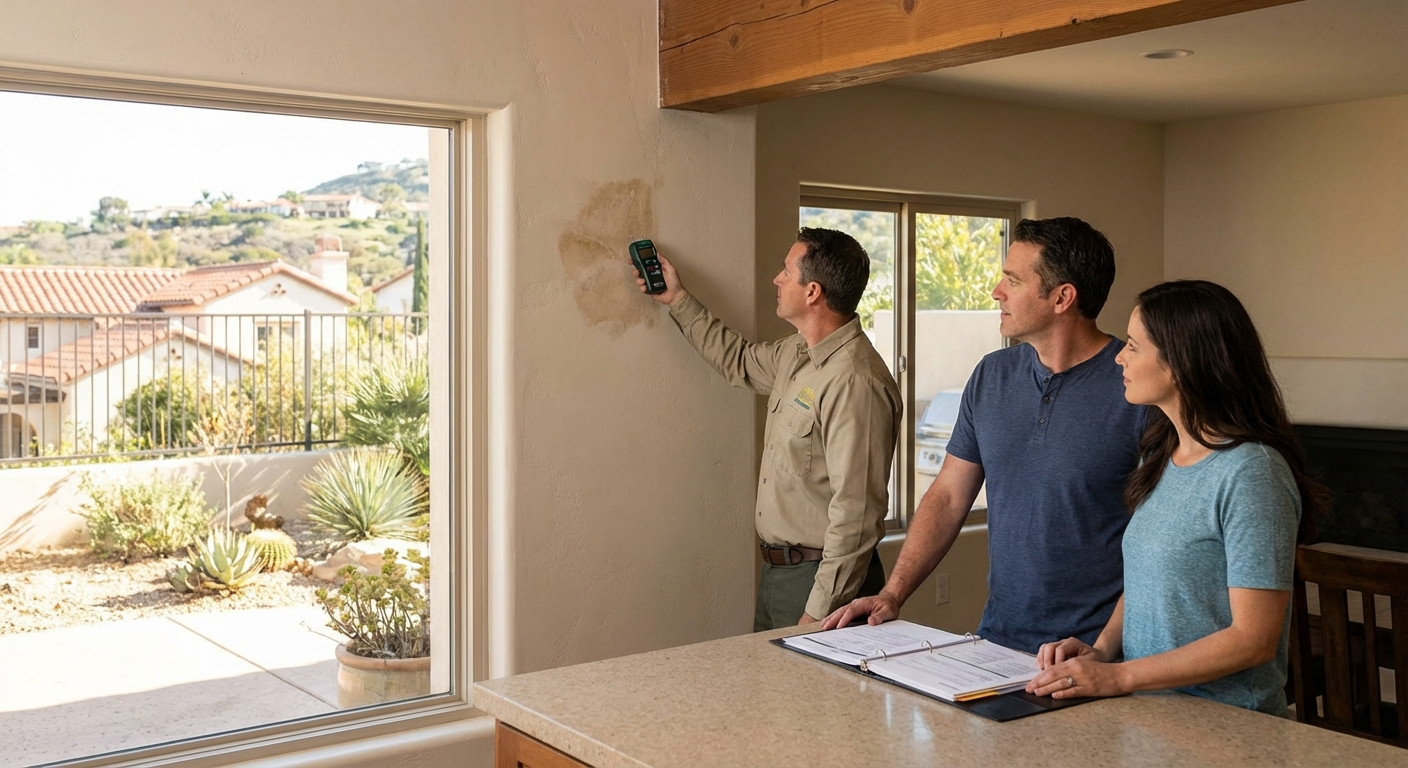
What to Do When You Find Mold
First things first: don’t panic. But don’t ignore it either.
1. Act Fast: The moment you suspect mold or find a water leak, address it. Stop the source of water immediately if you can. Dry the area thoroughly. Mold loves moisture, and it grows quickly.
2. Document Everything: Take photos and videos. Lots of them. Document the water source, the extent of the damage, and the mold itself. This evidence will be incredibly important if you file a claim.
3. Call Your Agent: Before you call a remediation company, call your insurance agent. They can help you understand your specific policy, tell you what’s likely covered, and guide you through the claims process. That’s what Karl Susman of California Home Insurance Rates, CA License #0B75129, is there for. You can reach him and his team at (877) 411-5200.
4. Get Professional Help: For anything beyond a tiny patch of surface mold, you’ll want a professional mold remediation company. They have the right equipment and expertise to safely remove mold and prevent its return.
Preventing the Problem Before It Starts
Honestly, preventing mold is almost always easier and cheaper than dealing with it after the fact.
* Fix Leaks Immediately: Even a tiny drip can lead to big problems. Check under sinks, around toilets, and near appliances regularly.
* Improve Ventilation: Use exhaust fans in bathrooms and kitchens. Open windows when you can. Consider a dehumidifier in damp areas like basements or crawl spaces, especially if you live near the coast.
* Maintain Gutters and Downspouts: Make sure they’re clear and directing water away from your home’s foundation.
* Keep an Eye on Humidity: In humid parts of California, maintaining indoor humidity below 60% can make a huge difference.
* Inspect Regularly: Do a walk-through of your home a couple of times a year. Look for water stains on ceilings, walls, or floors. Sniff around for musty odors.
Which brings up something most people miss: The real value of an experienced insurance agent. They’re not just there when you have a claim; they’re there to help you understand your policy *before* disaster strikes. They can help you review your current coverage, explain those tricky sub-limits, and explore options for additional protection. Finding the right policy for your California home, one that truly fits your needs, requires more than just a quick online quote.
Ready to understand your options better? Get a homeowners insurance quote today and talk to an expert who knows California insurance inside and out.
Frequently Asked Questions About Mold and California Home Insurance
Is all mold damage excluded from California homeowners insurance?
Not always. Mold damage is typically covered if it results from a “sudden and accidental” covered peril, like a burst pipe or a storm that causes water intrusion. However, mold from gradual leaks, neglect, or poor maintenance is usually not covered.
What is a mold sub-limit?
A mold sub-limit is a specific cap on how much your insurance company will pay for mold remediation and repair, even if the mold damage is covered. This sub-limit is often much lower than your overall dwelling coverage. For instance, your home might be insured for $500,000, but mold damage might only be covered up to $5,000 or $10,000.
Can I get extra mold coverage in California?
Sometimes, yes. Some insurance carriers offer optional endorsements or riders that can increase your mold sub-limit for an additional premium. It’s not available from all insurers, and the terms can vary greatly. It’s always best to discuss these options with your insurance agent.
What should I do first if I discover mold in my home?
Your first step should be to identify and stop the source of moisture causing the mold. Then, thoroughly document the damage with photos and videos. After that, contact your insurance agent immediately to understand your policy’s specifics and discuss filing a claim. They can guide you through the next steps.
Does my insurance company cover mold testing?
Generally, mold testing itself is not covered by homeowners insurance. However, if mold remediation is covered as part of a claim (meaning the mold resulted from a covered peril), the costs associated with assessing the damage and confirming the extent of the mold might be included in the overall claim settlement.
Understanding your homeowners insurance policy can feel like a maze. But it’s essential, especially when something as pervasive as mold comes into play. Don’t wait until you’re dealing with a problem to figure out your coverage.
If you’re unsure about your current policy or want to explore options for better protection, don’t hesitate. Click here to get a homeowners insurance quote and connect with a knowledgeable agent.
This article is for informational purposes only and does not constitute financial advice.