
The Shifting Sands of California Landlord Insurance
Maria had been a landlord for fifteen years, a proud owner of three rental duplexes scattered across Southern California – one in a quiet Orange County suburb, another near the bustling Silicon Beach area, and a third, older property nestled in the hills of Ventura County. For years, her insurance bills were predictable. They went up, sure, but nothing wild. Then came 2022. Her agent called, apologetic, to tell her the Ventura County policy was non-renewed. “Too much wildfire risk,” he’d said, like it was a new problem. She scrambled to find coverage, eventually landing on the state’s FAIR Plan, which cost her nearly double. It felt like the ground was shifting right under her investment.
Maria’s not alone. Owning investment property in California means dealing with a unique beast when it comes to insurance. It’s not just about protecting your asset; it’s about protecting your livelihood, your tenants, and your peace of mind. A standard homeowner’s policy simply won’t cut it for a rental property. That’s a big mistake many new landlords make. You need what’s often called a “dwelling fire” policy, or a landlord policy – usually a DP3 form. These policies are specifically designed to cover the risks associated with renting out a home, which are fundamentally different from living in it yourself.
More Than Just a Roof: Understanding Your Risks
Think about it this way: when you live in your home, you’re usually the one causing most of the damage (or at least, you’re there to prevent it). When you have tenants, a whole new layer of risk unfolds.
First, there’s the property itself. Fires, of course, are a constant worry in California, whether they’re from the kitchen or sweeping through dry hillsides. Then there’s everyday stuff: a burst pipe, a storm, vandalism. Your dwelling fire policy covers the physical structure of your building and any personal property *you* own on the premises for maintenance – think lawnmowers or tools in a shed.
But here’s where it gets interesting. Your biggest concern as a landlord might not be the house burning down. It’s the liability. Imagine a tenant’s guest slips on a loose step, breaks an ankle, and sues you for medical bills and lost wages. Or a tenant’s dog bites someone. Or worse, a tenant accidentally causes a fire that spreads to a neighbor’s house. These are huge, potentially bankrupting, risks. A good landlord policy includes significant liability coverage to protect you from these kinds of claims.
That’s not the whole story. What happens if a fire *does* make your property uninhabitable? Your tenants move out, and suddenly, you’ve lost your rental income. A solid landlord policy will include “loss of rent” coverage, sometimes called “fair rental value,” which pays out for the time your property is being repaired and can’t generate income. It’s like a safety net for your cash flow.

Why California is a Different Beast
Maria’s experience with the non-renewal wasn’t an isolated incident. California’s insurance market has been in turmoil. Between 2022 and 2024, many Californians saw their premiums jump 30%, 40%, even 50% or more. Some major carriers like State Farm and Allstate announced they were pulling back from offering new policies in the state, citing wildfire risks and soaring reinsurance costs. It’s a tough market, and investment properties often feel the squeeze even harder than owner-occupied homes.
Wildfire risk is, without a doubt, the biggest driver. Just look at the recent years: the Camp Fire, the Thomas Fire, the Glass Fire. These aren’t just headlines; they’re billion-dollar disasters that reshape how insurers view risk. If your investment property is in a high-fire-risk area – the foothills of the Sierra Nevada, many parts of Ventura County, even certain neighborhoods in the Inland Empire or the Santa Clarita Valley – you’re likely paying a premium, if you can get traditional coverage at all. Insurers are using increasingly sophisticated models to map out fire zones, and properties once considered “safe” might now be in the red.
Which brings up something most people miss. Earthquake insurance. It’s almost always a separate policy in California, not part of your standard dwelling fire coverage. If your property is near a fault line – and a lot of California is – ignoring earthquake coverage is a massive gamble. The cost can be steep, especially for older buildings, but the alternative could mean losing your entire investment in a major quake.
And then there’s the FAIR Plan, which Maria ended up with for her Ventura property. It’s California’s “insurer of last resort” – a state-mandated program that provides basic fire coverage when traditional insurers won’t. The good news: it offers *some* protection. The bad news: it’s often more expensive, offers less comprehensive coverage, and you usually need to buy a separate “difference in conditions” (DIC) policy to fill in the gaps for things like liability, theft, or water damage. It’s a patchwork solution, and it’s getting more common.
Finally, California’s Proposition 103, passed decades ago, gives the state insurance commissioner the power to approve or reject rate increases. While intended to protect consumers, some insurers argue it makes it harder to price policies accurately for the current risk environment, leading them to limit their exposure in the state. It’s a complicated dance between regulation and market forces.
Decoding Your Dwelling Fire Policy (DP3)
Most landlord policies are written on a DP3 form, which is an “open perils” policy for your dwelling. This means it covers damage from all causes *unless* specifically excluded. It’s generally the most comprehensive option for investment properties.
What’s typically covered?
* The structure: The building itself, attached garages, things like fences and sheds.
* Your personal property: Only items you own and use to service the rental, not the tenant’s belongings.
* Liability: Protection if someone gets hurt on your property and you’re found responsible. This is huge.
* Loss of rents: If a covered peril makes the property uninhabitable.
What’s often *not* covered (and usually requires an add-on or separate policy)?
* **Tenant’s personal property:** Your policy doesn’t protect their furniture or electronics. Encourage them to get renter’s insurance!
* **Flood damage:** You’ll need a separate policy, usually through the National Flood Insurance Program (NFIP).
* **Earthquake damage:** As mentioned, a separate policy for this one.
* **Maintenance issues:** General wear and tear, or a leaky roof that you simply didn’t fix. Insurance is for sudden, accidental damage.
* **Sewer backup:** Often an add-on.
One more thing to check: Actual Cash Value (ACV) vs. Replacement Cost (RC). ACV pays out the value of your damaged property *minus* depreciation. Replacement Cost pays what it would actually cost to rebuild or repair with new materials, without deducting for age. Always aim for Replacement Cost for your dwelling coverage if you can get it. It means you’re much better protected financially if disaster strikes.
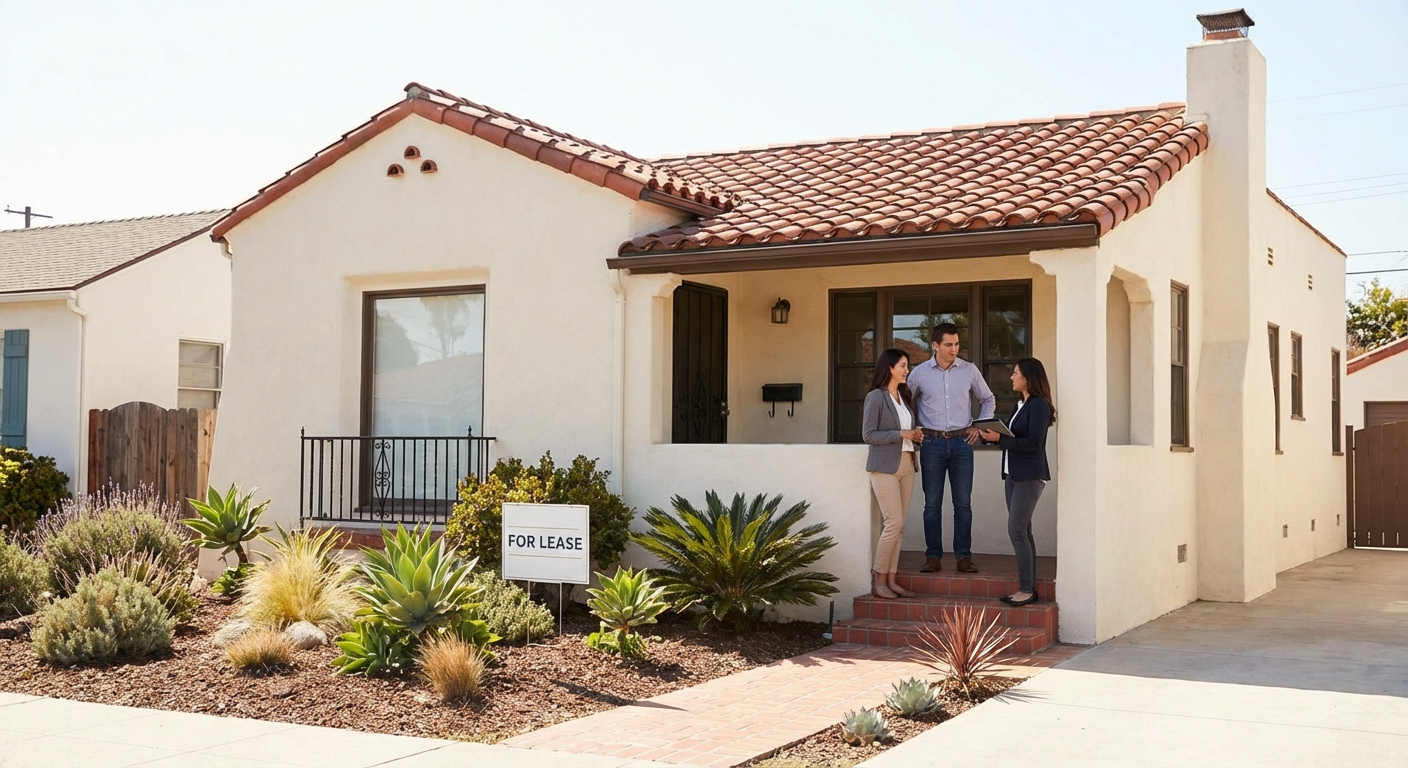
Shopping Smart in a Tough Market
Maria, after her non-renewal, realized she couldn’t just call the same agent who handled her personal car insurance. She needed someone who truly understood the California landlord market. That’s where an independent insurance agent comes in. They don’t work for one company; they work with many, meaning they can shop around for you.
Karl Susman, from California Home Insurance Rates, CA License #0B75129, has seen it all when it comes to California investment properties. He knows which carriers are still writing policies in certain areas, which ones offer better terms for older homes, and how to piece together coverage when the traditional market isn’t an option.
“You really need someone who can compare apples to oranges and explain the differences,” Karl often says. “Especially with the FAIR Plan, you’re not just getting one quote; you’re often getting two pieces of the puzzle that need to fit together.”
When you’re looking for quotes, be ready with detailed information about your property: construction type, age of roof, recent updates (electrical, plumbing), square footage, and crucially, any fire mitigation efforts if you’re in a high-risk area. Also, be transparent about your tenants – is it a single family, multiple tenants, short-term rental? Each scenario has different risks.
Common Mistakes Landlords Make
Let’s revisit Maria’s early days. She almost just kept her standard homeowner’s policy on her first duplex, thinking it’d be fine. Big mistake.
1. **Using a homeowner’s policy:** If an insurer finds out you’re renting out a property covered by a homeowner’s policy, they can deny your claim. It’s considered a material misrepresentation. Always get a specific landlord policy.
2. **Underinsuring:** Costs to rebuild have skyrocketed. What cost $200,000 to rebuild five years ago might cost $350,000 today. Review your dwelling coverage limits regularly to ensure they reflect current construction costs.
3. **Ignoring earthquake/flood:** These are distinct risks in California that need separate policies. Don’t assume your standard policy will cover them.
4. **Not reviewing policies regularly:** Your property changes, risks change, market conditions change. A quick chat with your agent once a year can save you a lot of headaches – and money – down the road.
The Future Isn’t Static: Preparing for Change
The California insurance market is a dynamic place. Regulators are always discussing new rules, and insurance companies are constantly adjusting their strategies based on claims data and climate science. What’s true today might shift tomorrow. That means staying informed is key, but honestly, who has the time to track every legislative hearing or carrier announcement?
This is why having an experienced independent agent on your side is invaluable. They’re watching the market, understanding the shifts, and can advise you on the best path forward. They can help you understand options like higher deductibles to lower premiums, or what specific safety upgrades might make your property more attractive to insurers.
Don’t let the complexity of California investment property insurance deter you. It’s a worthwhile investment that requires careful planning and the right partners. You don’t have to go it alone.
Ready to explore your options and get peace of mind for your California investment property? Click here to get a personalized quote today.
FAQs About California Investment Property Insurance
What’s the difference between a homeowner’s policy and a landlord policy?
A homeowner’s policy covers the owner-occupant and their belongings. A landlord policy (often called a dwelling fire policy or DP3) is specifically for rental properties. It covers the structure, your personal property used for the rental, and most importantly, provides liability coverage for you as the landlord, as well as loss of rent coverage if the property becomes uninhabitable due to a covered peril. It does not cover the tenant’s personal belongings.
Do I need earthquake insurance for my rental property?
While not legally required, earthquake insurance is highly recommended in California. Standard landlord policies do not cover earthquake damage. It’s purchased as a separate policy, often through the California Earthquake Authority (CEA) or a private insurer. The cost and coverage can vary significantly based on your property’s location, age, and construction type.
What if my property is in a high-fire-risk area and I can’t find traditional insurance?
If traditional insurers decline to cover your property due to high wildfire risk, your primary option is often the California FAIR Plan. This is the state’s insurer of last resort, providing basic fire coverage. You’ll typically need to purchase a separate “difference in conditions” (DIC) policy to add liability, theft, and other perils not covered by the FAIR Plan. An independent agent like Karl Susman at California Home Insurance Rates (CA License #0B75129) can help you piece together comprehensive coverage.
Should my tenants have renter’s insurance?
Absolutely. Your landlord policy does not cover your tenant’s personal belongings. Renter’s insurance protects their furniture, electronics, and other possessions from damage or theft. It also provides them with their own liability coverage. Many landlords make renter’s insurance a requirement in their lease agreements.
How can I lower my investment property insurance costs?
Several factors influence your premium. Consider safety upgrades like brush clearance, defensible space around the property, updated electrical and plumbing, and security systems. Opting for a higher deductible can also reduce your premium. Shopping with an independent agent who can compare rates from multiple carriers is another smart move. Staying on top of maintenance helps prevent claims too.
Don’t leave your California investment property unprotected. Get an expert opinion and find the right coverage. Start your free quote process here.
This article is for informational purposes only and does not constitute financial advice.