
Your Roof Just Got Hit. Now What?
A storm rips through, a massive tree limb cracks, or maybe a rogue gust of Santa Ana wind decides your shingles look better in your neighbor’s yard. Suddenly, your roof isn’t just a protective covering; it’s a gaping hole, a potential disaster, and a looming insurance claim. For most California homeowners, that moment brings a wave of panic, quickly followed by a rush of questions. Will my insurance cover this? How much will it cost me? Will my rates skyrocket?
Honestly, the answers aren’t always simple. California’s home insurance market is a beast all its own, especially when roof damage enters the picture. Let’s bust some common myths and get real about what you can expect.
Myth #1: My home insurance policy covers *any* roof damage.
Many people think their policy is a magic shield for anything that happens to their roof. The short answer is yes, most policies cover roof damage. The real answer is far more complicated.
Your standard California homeowners policy generally protects against “perils” – things like fire, windstorms, hail (rare but not impossible, especially in higher elevations), falling objects (hello, tree limb!), and vandalism. So, if a wildfire sweeps through the hills of Ventura County and singes your roof, or a massive oak crashes down during a winter storm, you’re likely covered for the damage those specific events caused.
But here’s the thing. Your policy isn’t a maintenance plan. It won’t pay to fix a roof that’s just old and falling apart. Insurers call this “wear and tear.” If your roof has reached the end of its natural lifespan – say, it’s a 25-year-old asphalt shingle roof that’s just degraded over time – your claim might be denied. That’s a big difference. They also won’t cover damage from poor installation or neglect.
Another massive detail? How your insurer values the damage. Some policies offer “Actual Cash Value” (ACV) for roofs, especially older ones. This means they’ll pay the replacement cost *minus* depreciation for age and wear. Imagine your roof is 15 years old, and its estimated lifespan was 20 years. That means it’s already lost a lot of its value. You’ll get a check for a fraction of what a new roof costs. Other policies offer “Replacement Cost Value” (RCV), which means they pay to replace it with a new roof of similar kind and quality, without subtracting for depreciation. You absolutely want RCV coverage for your roof if you can get it.
Which brings up something most people miss. You need to know which kind of coverage you have *before* the damage happens.
Myth #2: Filing a roof claim is a quick, painless process.
Wouldn’t that be nice? You call your insurer, they send a check, and a new roof appears. In reality, it’s a multi-step dance that requires your active participation.
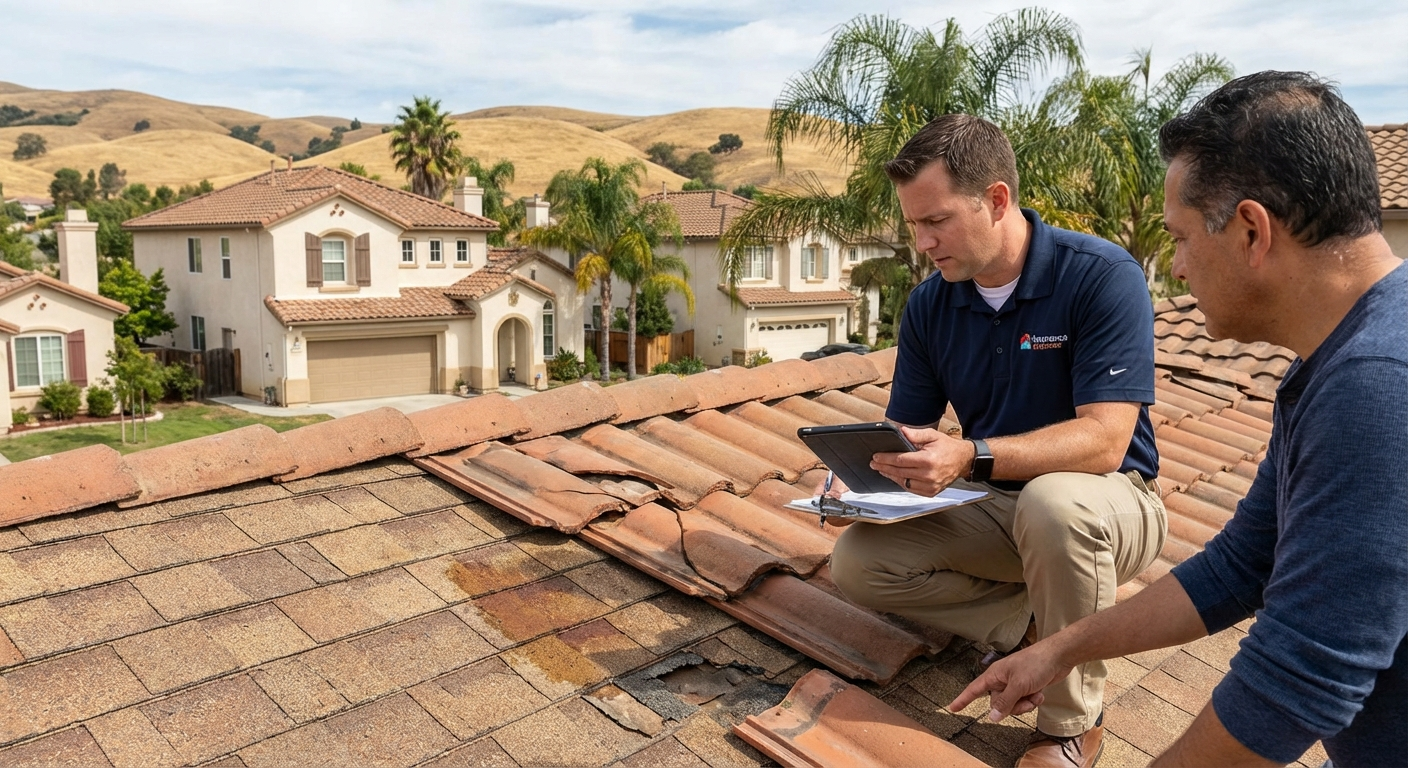
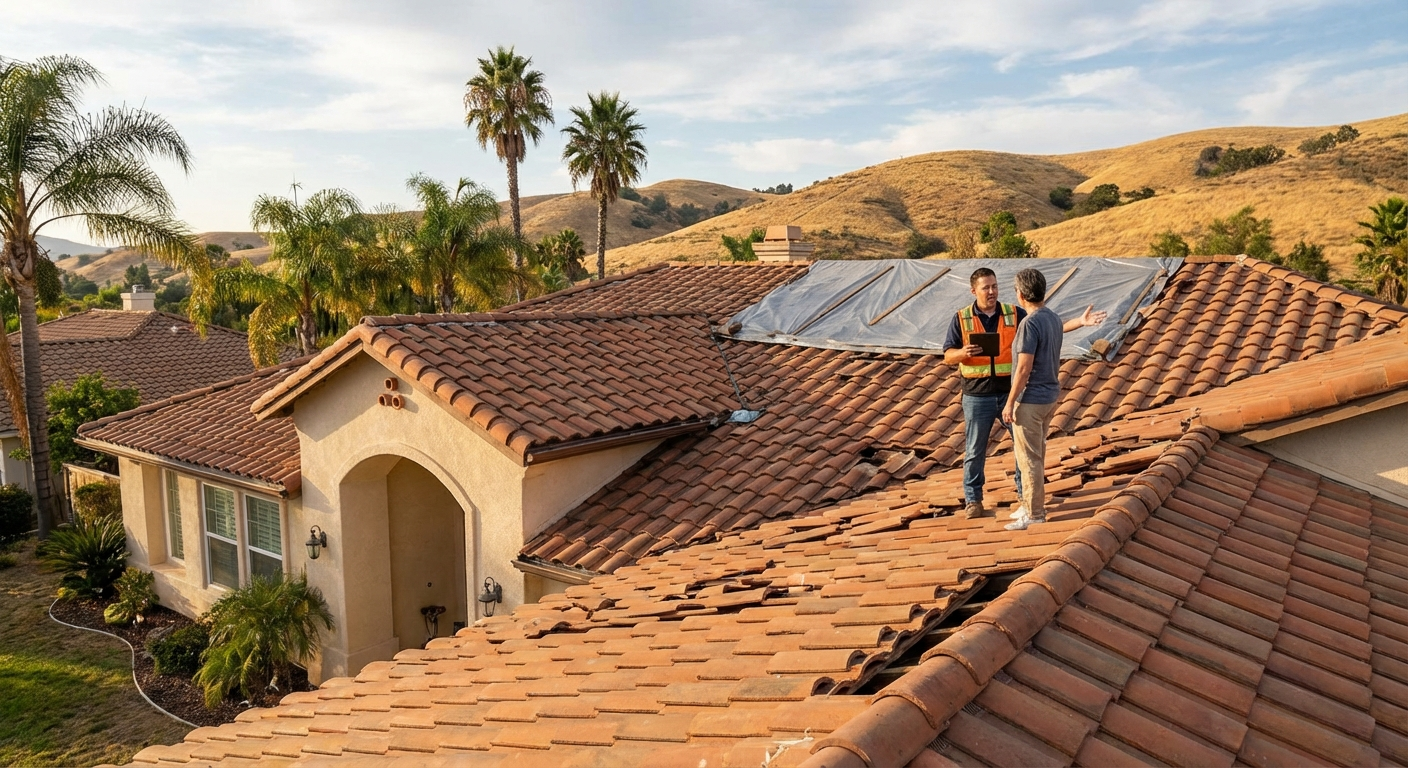
First, safety always comes first. If your roof is actively leaking or seriously damaged, take steps to prevent further harm. Throw a tarp over it. Call a reputable roofer for emergency repairs – but keep those receipts! Then, document everything. Take photos and videos of the damage from every angle you can safely get. Close-ups, wide shots, interior damage from leaks. The more evidence, the better.
Next, contact your insurance company. Be honest and factual. Don’t exaggerate, but don’t downplay it either. They’ll assign an adjuster to inspect the damage. This person works for the insurance company, remember. They’ll assess the damage, determine the cause, and estimate repair costs.
But wait — don’t stop there. It’s smart to get your own estimates from at least two licensed, reputable roofing contractors. This gives you a baseline and helps ensure the adjuster’s estimate is fair. Sometimes, the insurer’s estimate comes in much lower than reality, especially in the current climate where labor and material costs are soaring. Just ask anyone who tried to rebuild after the Santa Rosa fires in 2017 or the Paradise fires in 2018. Construction costs jumped significantly.
Myth #3: My rates won’t go up if I file a small claim.
This is a common misconception that can hit your wallet hard. Any claim you file, big or small, goes on your insurance record. Insurers track this history. While a single, minor claim might not cause a huge spike, multiple claims – even small ones over a few years – signal higher risk to an insurer.
Think about it: the California insurance market is already incredibly tight. State Farm, Farmers, Allstate, and others have either stopped writing new policies or drastically restricted coverage in many parts of the state. This means fewer options for homeowners. When you do file a claim, especially for something as significant as a roof, insurers are paying even closer attention. They’re trying to manage their own risk in a state prone to wildfires, floods, and other natural disasters.
So, if your deductible is $2,500 and the roof repair is $3,000, filing a claim for that $500 difference might not be worth it in the long run. You’ll pay your deductible anyway, and you’ll have a claim on your record that could affect future premiums or even your ability to get coverage. It’s a tough calculation, and it’s why an experienced agent like Karl Susman at California Home Insurance Rates (CA License #OB75129) can be so helpful. He can help you weigh the pros and cons.
Myth #4: My old roof will be fully replaced if it’s damaged.
Not always. This circles back to the ACV vs. RCV discussion. But there’s more. Many policies have specific clauses about roof age. Some might only offer ACV for roofs over a certain age – say, 10 or 15 years old. Others might impose a higher deductible for older roofs.
Then there’s the “70% rule” or similar variations. If a significant portion of your roof – often cited as 70% or more – is damaged by a covered peril, some policies might trigger a full replacement, even if only part was directly hit. The idea is that repairing just a section might compromise the integrity of the whole, especially if matching materials are impossible to find. But this isn’t universal.
It all depends on your specific policy language. This is why just having “home insurance” isn’t enough. You need to understand the details, especially for big-ticket items like your roof. In places like the Inland Empire, where homes range from brand new to several decades old, roof condition can vary wildly, making these policy details critically important.
Myth #5: If my insurer denies my roof claim, I’m out of luck.
Absolutely not. A denial isn’t the end of the road. You have options.
First, ask for a clear, written explanation for the denial. Understand *why* they denied it. Was it wear and tear? An uncovered peril? Did they say the damage wasn’t severe enough?
Next, you can appeal the decision directly with your insurance company. Provide any additional documentation or evidence you have. Maybe you have contractor reports that contradict their adjuster’s findings. Perhaps you have maintenance records showing you *did* take care of your roof.
Here’s where it gets interesting. You could also consider hiring a public adjuster. Unlike the adjuster sent by your insurance company, a public adjuster works for *you*. They’ll assess the damage, review your policy, and negotiate with your insurer on your behalf. They typically charge a percentage of the settlement, so they have a vested interest in getting you the best outcome.
You can also file a complaint with the California Department of Insurance (CDI). The CDI regulates insurance companies in the state and can intervene if they find an insurer has acted improperly. They won’t force an insurer to pay a claim they don’t owe, but they ensure fair practices.
Sometimes, all it takes is having an experienced independent insurance agent in your corner. Someone like Karl Susman at California Home Insurance Rates, CA License #OB75129, has seen countless roof claims. He understands the nuances of policy language and can help you navigate the appeals process. You can reach his team at (877) 411-5200 for guidance.
The California Context: Why Roof Claims Are Different Here
California isn’t just another state. Our climate, our building codes, and our insurance market add layers of complexity to roof claims. We face unique challenges, from the intense heat of the Valley that bakes shingles, to the powerful winds that whip through the canyons, to the ever-present threat of wildfires. The 2025 LA fires, even if hypothetical, remind us of the constant peril. Embers alone can cause significant roof damage, even without direct flame impingement.
The state’s building codes are also constantly evolving, especially after major disasters. If your roof is destroyed, you might be required to rebuild to a higher standard, using more fire-resistant materials or different construction techniques. A good “ordinance or law” coverage on your policy can help pay for these increased costs, but it’s not always included.
And, as mentioned, the shrinking insurance market means fewer options and stricter underwriting. Insurers are trying to manage risk in a state with significant natural disaster exposure. This means they’re scrutinizing roof conditions more closely than ever. If your roof is old, expect higher premiums or even difficulty getting full coverage. The FAIR Plan, California’s insurer of last resort, often only provides basic fire coverage and might not offer the comprehensive roof protection you need.
It’s clear that getting the right coverage and understanding your policy is more important than ever.
Ready to explore your options for comprehensive home insurance that truly protects your roof? Get a personalized quote today and see what’s available for your California home. Get Your California Home Insurance Quote Here!
Prevention and Proactivity: Your Best Defense
The best way to handle a roof claim is to try and avoid one, or at least be prepared.
Regular maintenance is key. Clean your gutters. Trim tree branches that hang over your roof. Inspect your roof periodically for loose or missing shingles. Small repairs now can prevent big problems later. Keep records of any maintenance or repairs you’ve had done.
Also, take pictures of your roof *before* any damage occurs. These “before” pictures can be invaluable if you ever need to file a claim, proving the condition of your roof beforehand.
Finally, work with an independent insurance agent. They aren’t tied to one company, meaning they can shop around and find you the best policy for your specific needs and budget. They can explain the nuances of ACV vs. RCV, deductibles, and special endorsements that might be crucial for roof protection in California. An agent like Karl Susman is there to advise you, not just sell you a policy.
Frequently Asked Questions About California Roof Claims
Q: Does my deductible apply to roof claims?
Yes, your policy’s deductible will apply to roof damage claims, just like any other covered loss. You’ll need to pay that amount out-of-pocket before your insurer starts paying for repairs.
Q: What if only a few shingles are damaged?
For minor damage like a few missing shingles, you’ll need to weigh the cost of repair against your deductible. If the repair cost is less than your deductible, or only slightly above it, it might not be worth filing a claim due to the potential impact on your claims history and future premiums. It’s always a good idea to document the damage, though.
Q: Can I choose my own contractor for roof repairs?
Generally, yes, you have the right to choose your own licensed and reputable contractor. Your insurance company might have a preferred network of contractors, and sometimes using them can make the process smoother, but you’re not usually obligated to. Just make sure your chosen contractor’s estimate aligns with what your insurer is willing to pay.
Q: How long do I have to file a roof damage claim in California?
Most insurance policies in California give you at least one year from the date of the damage to file a claim. However, it’s always best to report damage as soon as you discover it. Delays can sometimes complicate the claims process. Always check your specific policy for exact timelines.
Understanding your home insurance and how it applies to roof damage isn’t just about protecting your house; it’s about protecting your financial future. Don’t leave it to chance.
Don’t wait until disaster strikes to understand your coverage. Get a free, no-obligation quote for California home insurance that fits your needs. Click Here to Get Your Quote!
This article is for informational purposes only and does not constitute financial advice.